The Growing Global Demand for Nigerian Hibiscus Flowers
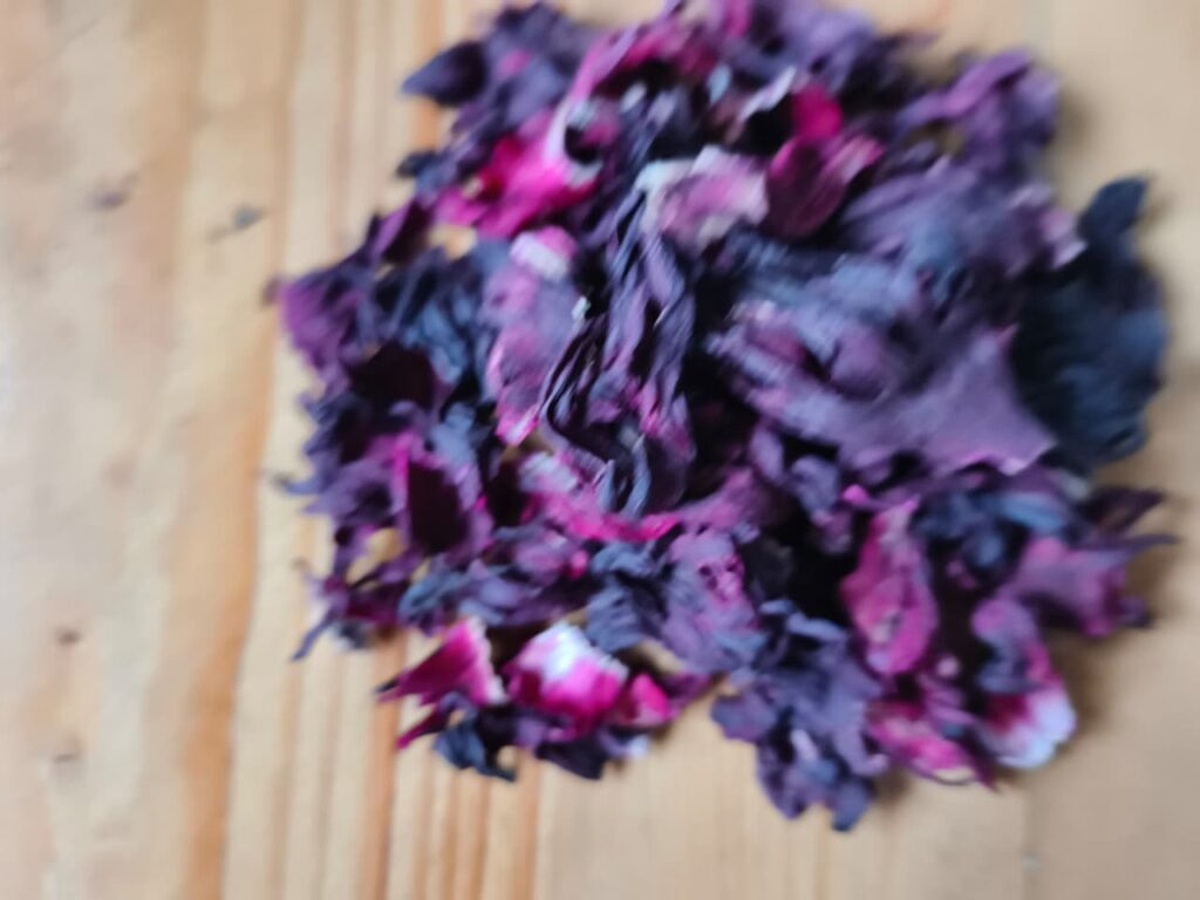
Nigeria is the world's largest producer of hibiscus flowers (Hibiscus sabdariffa), locally known as "Zobo." While traditionally consumed as a beverage in Nigeria, dried hibiscus flowers have become a sought-after commodity in international markets.
Market Overview
The global hibiscus market is valued at over USD 350 million and is growing at 8-10% annually. Nigerian hibiscus accounts for approximately 65% of the global supply, making it the dominant player in this market.
Key Export Markets
1. Mexico The largest importer of Nigerian hibiscus, used to make "Agua de Jamaica" — a popular traditional beverage. Annual imports exceed 15,000 metric tons.
2. Germany The EU's largest buyer, primarily for herbal tea production. German quality standards are among the strictest globally.
3. United States Growing demand driven by health-conscious consumers. Hibiscus tea is marketed as a natural remedy for high blood pressure and as a vitamin C-rich beverage.
4. Egypt & Middle East Used in traditional beverages like "Karkade." Consistent demand year-round.
5. India Emerging market for hibiscus in Ayurvedic medicine and cosmetic products.
Quality Grades and Pricing
| Grade | Description | Price Range (FOB Lagos) | |---|---|---| | Grade A (Premium) | Deep red color, whole calyces, <12% moisture | USD 2,200 - 2,800/MT | | Grade B (Standard) | Good color, minimal breakage, <14% moisture | USD 1,600 - 2,000/MT | | Grade C (Industrial) | Mixed quality, for extract production | USD 900 - 1,300/MT |
Health Benefits Driving Demand
Scientific studies have linked hibiscus consumption to:
- Blood pressure reduction — clinical trials show significant hypertensive effects
- Cholesterol management — helps lower LDL cholesterol levels
- Rich in antioxidants — contains high levels of anthocyanins
- Liver health support — shown to improve liver function markers
- Weight management — may help reduce body fat accumulation
These proven health benefits have fueled demand in the functional food and nutraceutical sectors.
Challenges and Solutions
Challenge: Aflatoxin contamination Solution: Proper drying and storage techniques; testing before export
Challenge: Color fading during storage Solution: UV-protected packaging and climate-controlled warehousing
Challenge: Meeting EU pesticide residue limits Solution: Working with farmers who follow Good Agricultural Practices (GAP)
How to Start Exporting Hibiscus
- Register with NEPC (Nigerian Export Promotion Council)
- Source from verified farming clusters in Jigawa, Kano, Bauchi, or Borno states
- Invest in sorting and cleaning facilities
- Obtain phytosanitary and quality certificates
- Connect with international buyers through trade fairs and platforms
KINGSVIC Global: Your Hibiscus Export Partner
We source premium Grade A hibiscus flowers from verified farming clusters across Northern Nigeria. Our quality control process ensures every shipment meets international standards.
Interested in hibiscus exports? Request a quote or contact us to discuss your requirements.