Global Sesame Seed Market Overview
The global sesame seed market continues to show strong growth, driven by increasing demand in food processing, cosmetics, and health supplement industries. Nigeria, as one of the top three producers worldwide, stands to benefit significantly from these trends.
Current Market Size
The global sesame seed market was valued at approximately USD 9.5 billion in 2024 and is projected to reach USD 13.2 billion by 2028, growing at a CAGR of 8.5%. Key growth drivers include rising health consciousness, demand for plant-based proteins, and expanding use in Asian and Middle Eastern cuisines.
Price Trends
2024 Price Range:
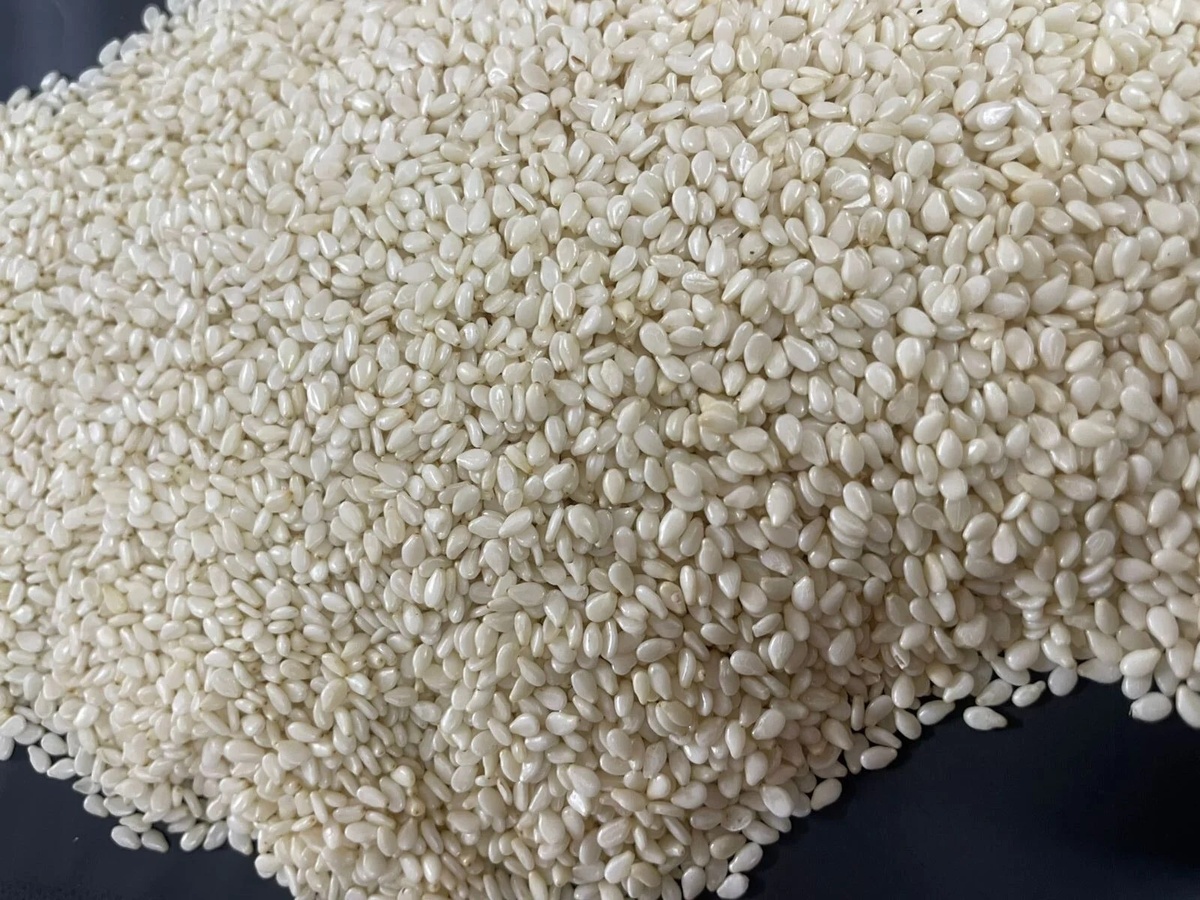
- Nigerian hulled sesame seeds: USD 1,800 - 2,200 per metric ton (FOB Lagos)
- Natural white sesame: USD 1,500 - 1,900 per metric ton
- Mixed sesame seeds: USD 1,200 - 1,600 per metric ton
Factors Influencing Prices:
- Seasonal supply patterns: Nigerian sesame harvest runs from October to December, with prices typically dipping post-harvest and rising during off-season months.
- Chinese demand: China remains the world's largest importer of sesame seeds, and their purchasing patterns significantly impact global prices.
- Weather conditions: Rainfall patterns in Nigeria, Sudan, and India directly affect global supply levels.
- Currency fluctuations: The Naira-to-Dollar exchange rate impacts the competitiveness of Nigerian sesame exports.
Key Export Destinations for Nigerian Sesame
- Japan — Premium market, pays highest prices for quality seed
- China — Largest volume buyer
- Turkey — Major processing hub
- South Korea — Growing demand for sesame oil
- European Union — Steady demand for food-grade sesame
2025 Outlook
Analysts project sesame seed prices to remain firm through 2025, supported by:
- Strong demand from Asian markets for tahini and sesame oil production
- Limited expansion of production capacity in competing countries
- Growing use of sesame in plant-based food products
- Increasing consumer preference for natural and organic ingredients
Recommendations for Nigerian Exporters
- Focus on quality: Invest in cleaning and sorting to meet Japanese and EU standards.
- Diversify markets: Look beyond China to Japan, Korea, and EU markets for better margins.
- Consider processing: Hulled and roasted sesame commands 30-50% price premiums.
- Secure early contracts: Lock in prices during harvest season for off-season delivery.
KINGSVIC Global sources premium Nigerian sesame seeds directly from verified farming clusters. Request a quote for competitive pricing.